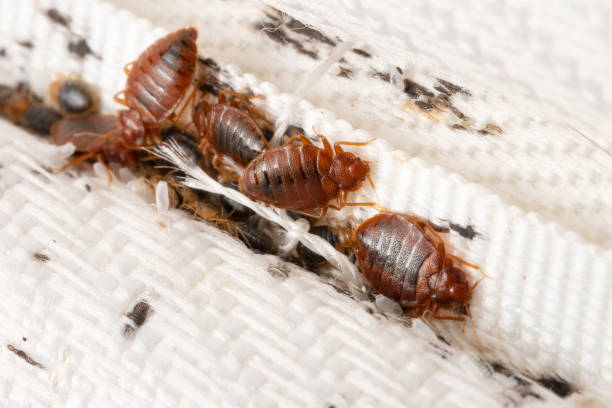
When it comes to professional pest control, understanding the chemicals used and how they function is crucial for ensuring both safety and effectiveness. Pest control companies carefully select specific compounds to target pests while minimizing risks to humans, pets, and the environment. Here’s a closer look at the types of chemicals used and their mechanisms.
Categories of Pest Control Chemicals
- Insecticides: These target insects such as ants, cockroaches, and mosquitoes.
- Rodenticides: Designed specifically to eliminate rodents like mice and rats.
- Fungicides: Used to combat fungal growth that can attract pests.
- Herbicides: Though not always associated with pest control directly, these are used to eliminate unwanted plants that harbor pests.
How These Chemicals Work
| Chemical Type | Function | Common Active Ingredients | Application Method |
| Insect Growth Regulators (IGRs) | Interrupts growth or reproduction cycles of insects | Methoprene, Pyriproxyfen | Sprays, baits |
| Pyrethroids | Destroys the nervous system of insects | Permethrin, Cyfluthrin | Sprays or powders |
| Neonicotinoids | Attacks the nervous system via stimulation overdose | Imidacloprid | Soil treatments |
| Anticoagulant Rodenticides | Prevents blood clotting in rodents leading to mortality | Brodifacoum | Bait stations |
| Desiccants | Dehydrates pests by destroying their protective exoskeleton | Silica gel, Diatomaceous earth | Dust applications |
Safety Protocols for Indoor Use
- Precision Application – Only affected areas are treated using targeted sprays or baits rather than widespread application.
- Ventilation – Homes are ventilated post-treatment to ensure any lingering fumes dissipate quickly.
- Child & Pet Safety Precautions – Professionals avoid treating areas accessible by pets or children unless absolutely necessary.
Eco-Friendly Alternatives
- Essential oils like peppermint oil for deterring ants and spiders.
- Boric acid-based products for cockroach management.
- Heat treatments for bed bugs without chemical use.
Understanding what chemicals pest control professionals use allows homeowners to make informed decisions regarding their treatment plans while ensuring their family’s safety remains a top priority.
Effective Miami Gardens FL Pest Control Methods and the Chemicals Professionals Use
Pest control professionals use a range of specialized chemicals to manage infestations effectively. These substances are selected based on the type of pest, the scale of the infestation, and the environment in which they are applied. Understanding these chemicals and their functions can shed light on how exterminators combat pests while ensuring safety and efficiency.
Effective Pest Control Solutions from an Exterminator in Miami Gardens FL
1. Insecticides
These are designed to target and eliminate insects specifically. They come in various forms, such as sprays, baits, and powders.
- Pyrethroids: Synthetic chemicals derived from natural pyrethrins found in chrysanthemum flowers. They work by paralyzing insects’ nervous systems.
- Example: Permethrin, Cyfluthrin
- Best for: Mosquitoes, cockroaches, flies
- Neonicotinoids: These mimic nicotine’s effect on insect nerves, leading to paralysis and death.
- Example: Imidacloprid
- Best for: Termites, aphids
2. Rodenticides
Used for controlling rodents like rats and mice. These substances can either kill rodents directly or prevent their reproduction.
- Anticoagulants: Prevent blood clotting in rodents, resulting in gradual death.
- Example: Warfarin
- Best for: Residential rodent infestations
- Acute Toxins: Fast-acting poisons that eliminate rodents quickly.
- Example: Bromethalin
3. Herbicides
While typically associated with weed control, herbicides may also be used in pest management to clear vegetation that harbors pests.
4. Fungicides
These combat fungal growth that attracts pests or damages indoor plants.
Effective Miami Gardens Pest Removal with the Right Chemicals
| Chemical Type | Target Pests | Key Advantage | Notes |
| Pyrethroids | Mosquitoes, Cockroaches | Rapid action on nervous system | Low toxicity to humans when diluted |
| Neonicotinoids | Termites | Long residual effect | May impact beneficial insect populations |
| Anticoagulants | Rodents | Gradual elimination; reduces odor | Requires careful placement |
| Acute Toxins | Rodents | Quick results | Risky if misapplied |
Important Safety Considerations for Pest Control Service Miami Gardens FL
- Keeping children and pets away from treated areas during application
- Using protective gear during chemical handling
- Opting for eco-friendly formulations when possible
Professionally applied pest control chemicals can deliver excellent results when used responsibly. By understanding their types and mechanisms, homeowners can ensure effective collaboration with experts while maintaining safety at home.
13 Important Factors to Check Before Hiring a Professional Exterminator
1. Licensing and Certification
Verify that the exterminator holds a valid license or certification as required by your state or local authority. Licensing ensures that they have undergone proper training and are knowledgeable about pest control standards.
2. Experience in Pest Control
Consider their experience in dealing with the specific pests you’re facing. An exterminator with years of expertise will be more equipped to identify infestation sources and implement effective solutions.
3. Reputation and Reviews
Check online reviews, testimonials, and ratings on platforms like Google or Yelp. Word-of-mouth recommendations from friends or neighbors can also provide valuable insight.
4. Range of Services Offered
Ensure that the exterminator provides services tailored to your needs, whether it’s termite control, rodent removal, bedbug treatment, or general pest control.
5. Inspection Process
A professional should begin with a thorough inspection of your home to assess the extent of the infestation, identify pest entry points, and recommend suitable treatments.
6. Treatment Methods Used
Ask about their approach to pest control—whether they use chemical treatments, traps, heat treatments, or integrated pest management (IPM) methods that prioritize less harmful options.
| Treatment Method | Description | Eco-Friendliness |
| Chemical Treatments | Use pesticides to eliminate pests | Moderate |
| Heat Treatments | Kills pests using high temperatures | High |
| Integrated Pest Management (IPM) | Combines prevention & minimal pesticide use | Very High |
7. Safety Measures for People and Pets
Ask about potential risks associated with their proposed treatment plan and how they ensure safety for children and pets during and after application.
8. Environmental Practices
If eco-friendliness is important to you, look for companies that use green products or energy-efficient methods in their operations.
9. Transparent Pricing
Request a detailed estimate breaking down costs for inspection fees, treatment plans, follow-up visits (if needed), and warranties. Avoid companies offering vague estimates without inspections.
10. Warranty/Guarantee Provided
A reputable exterminator often provides guarantees on their work—this could include free follow-up treatments if pests reappear within a specified time frame.
- Do you offer a satisfaction guarantee?
- How long does your guarantee last?
- Are there additional charges for follow-up visits?
11. Availability and Response Time
Pest issues require timely attention; therefore, ensure the company can respond promptly to inspect your property and schedule treatment services quickly.
12. Insurance Coverage
Confirm whether they have liability insurance in case accidental damages occur during treatment or if a worker gets injured on-site.
13. Professionalism During Consultation
Assess their professionalism during initial communication—did they arrive on time? Were they courteous? Did they explain procedures clearly? These behaviors reflect how seriously they take their work.
By following these factors when hiring an exterminator, you can feel confident knowing you’ve chosen a skilled professional capable of addressing your pest concerns effectively while prioritizing safety measures at every step.

Spring Rodent Prevention: Protecting Your Property from Infestations
Rodents such as mice and rats are not only a nuisance but also pose serious health risks and property damage concerns. As spring approaches, these pests become more active due to warmer temperatures and the availability of food sources. Proactively safeguarding your property can help prevent infestations that could lead to costly repairs or health hazards. Below are practical tips and strategies to keep your space rodent-free.
Why Rodents Are a Problem in Spring
Spring marks the transition to warmer weather, which encourages rodents to explore new areas for shelter and food. Common problems associated with rodent infestations include:
– Health Risks: Rodents can transmit diseases like hantavirus, salmonella, and leptospirosis through droppings, urine, or bites.
– Property Damage: They chew through insulation, electrical wiring (increasing fire risks), and structural materials.
– Food Contamination: Rodents can contaminate stored food supplies by gnawing through packaging or leaving waste behind.
Recognizing these risks highlights the importance of early prevention measures.
Effective Strategies for Rodent Prevention
- Inspect your home’s exterior for gaps or openings around doors, windows, pipes, vents, and utility lines. Seal cracks larger than 1/4 inch using caulk, steel wool, or metal mesh.
- Install door sweeps for exterior doors to prevent gaps rodents can squeeze through.
- Keep countertops clean and free of food crumbs.
- Store pantry items like grains and pet food in airtight containers made of glass or heavy-duty plastic.
- Empty garbage bins regularly and use lids that fit tightly.
- Trim shrubs, bushes, and tree branches at least 3 feet away from your home’s exterior walls to reduce hiding spots.
- Store firewood at least 20 feet away from the house on raised platforms.
- Clear out debris piles where rodents could nest.
- Eliminate Water Sources
Rodents need water to survive: - Fix leaky faucets or pipes indoors and outdoors.
- Ensure proper drainage around your property by cleaning gutters regularly.
- Use Traps Strategically
Set up snap traps in areas where rodent activity is suspected (e.g., basements, attics). Bait traps with peanut butter or dried fruit for greater effectiveness.
Natural vs Professional Solutions
For minor issues: – Utilize natural deterrents like peppermint oil sprays near entry points; rodents dislike the strong scent. – Consider ultrasonic repellents as a non-invasive option; however, their effectiveness may vary.
For larger infestations: – Contact licensed pest control professionals who can conduct thorough inspections. – Professionals use specialized tools such as bait stations designed for long-term control while ensuring safety precautions are met.
| Method | Advantages | Disadvantages |
| Sealing Entry Points | Long-lasting protection | May require professional assistance |
| Trapping | Instant results | Labor-intensive if infestation is large |
| Professional Help | Comprehensive inspection & treatment plans | Can be expensive |
Monitoring Your Efforts
Regularly inspect areas prone to pests such as basements, attics, crawl spaces, and garages during spring months. Look for signs such as droppings (small pellet-like shapes), gnaw marks on wood or cables, shredded nesting materials like paper/tissue, strange noises at night (scratching), or musty odors emanating from hidden spaces.
Taking these preventative actions now will save time later by reducing chances of an infestation escalating into a more significant issue requiring costly intervention methods.
How Could This Have Happened? Identifying Causes of Pest Infestations
Pest infestations can be a frustrating and costly issue for homeowners and businesses. Understanding how infestations occur is essential for preventing them in the future. Below are some common causes of pest infestations, along with tips to help address and mitigate these issues.
1. Access to Food Sources
Pests are primarily attracted to places where food is accessible. Common practices that contribute to food availability include:
– Unsealed food containers: Open bags or boxes of food in the kitchen pantry serve as an invitation for pests like ants, cockroaches, and rodents.
– Spilled crumbs and liquids: Spills left on counters, floors, or tables provide easy meals for pests if not cleaned promptly.
– Trash buildup: Garbage left uncovered or not regularly disposed of can attract flies, rats, and other unwelcome invaders.
Prevention Tip: Store all food in airtight containers, clean up spills immediately, and make sure trash bins are sealed properly.
2. Lack of Proper Sanitation
Poor sanitation creates environments ideal for pest breeding and feeding. Areas often neglected during cleaning include:
– Under appliances such as refrigerators or stoves where crumbs can collect
– Drains that may accumulate grease or food particles
– Cluttered spaces with excessive debris
Prevention Tip: Adopt consistent cleaning routines that target hidden areas where pests might thrive.
3. Structural Gaps and Openings
Structural vulnerabilities provide entry points for pests into your property. These might include:
– Cracks or gaps around doors and windows
– Broken screens or missing weather stripping
– Holes in walls caused by wear-and-tear or prior construction work
Prevention Tip: Inspect your property regularly for cracks or gaps and seal them with caulk or other appropriate materials.
4. Moisture Problems
Many pests—such as termites, cockroaches, and mosquitoes—are drawn to damp environments. Common moisture issues include:
– Leaky pipes under sinks
– Standing water near foundations due to poor drainage
– High humidity levels in basements or attics
| Moisture Issue | Potential Pest Attracted | Solution |
| Leaky Plumbing | Cockroaches & termites | Repair leaks immediately |
| Poor Drainage | Mosquitoes | Improve drainage systems |
| Humid Environments | Mold mites & insects | Use dehumidifiers if necessary |
5. Bringing Infested Items Indoors
Sometimes pests are inadvertently brought into a property through infested items such as second-hand furniture, cardboard boxes, or plants from outside.
Prevention Tip: Inspect all items thoroughly before bringing them indoors—especially those purchased second-hand.
6. Proximity to Nature
Properties located near wooded areas, overgrown gardens, or bodies of water are naturally at higher risk of attracting pests like rodents, termites, spiders, and mosquitoes.
Prevention Tip: Maintain landscaping by trimming trees close to buildings and clearing excess vegetation around the property.
By identifying these common causes of pest infestations and taking proactive steps to address them, you can significantly reduce the risk of problems occurring on your property in the future.
- Essential Reasons to Choose Miami Gardens FL Pest Control for a Healthy Home
- Why Miami Gardens FL Pest Control Services Are Worth the Investment
- Understanding What a Pest Control Company Miami Gardens FL Uses to Keep Your Home Pest-Free
- Understanding Miami Gardens FL Pest Control and Its Importance for Your Home
- Effective Miami Gardens FL Pest Control Tips to Safeguard Your Family and Property
- Reliable Pest Control Company Miami Gardens FL Protecting Your Home and Health