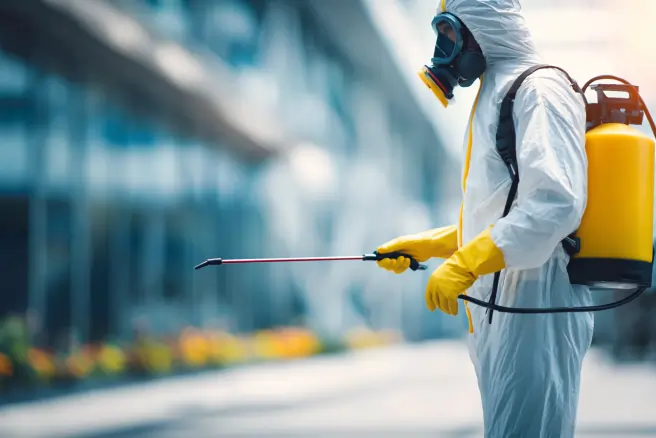
Pest control is not just about removing unwanted insects or rodents from your home; it is a critical aspect of maintaining a safe, healthy, and comfortable living environment. Pests can pose significant threats to both your property and health, making effective pest management strategies essential.
Health Risks Posed by Household Pests
- Rodents (e.g., mice, rats):
Rodents can carry diseases like hantavirus, leptospirosis, and salmonella. Their droppings and urine can contaminate food surfaces and spread infections. - Cockroaches:
These insects are known to trigger asthma and allergies, especially in children. They also spread bacteria such as E. coli and Salmonella through contact with food or surfaces. - Mosquitoes:
Mosquitoes are notorious vectors for diseases like malaria, dengue fever, Zika virus, and West Nile virus. - Bed Bugs:
Although bed bugs do not directly transmit diseases, their bites can cause severe itching, skin irritation, allergic reactions, or even secondary infections from scratching. - Termites & Carpenter Ants:
While these pests rarely affect health directly, they can compromise the structural integrity of your home by slowly damaging wooden frameworks.
Damage to Property
- Rodent gnawing on electrical wires increases the risk of fire hazards.
- Termite infestations weaken furniture and wooden structures.
- Carpet beetles or moths may destroy fabrics such as carpets or clothing items.
- Pests like squirrels or raccoons can damage insulation in attics while looking for nesting spaces.
Benefits of Regular Pest Control Practices
- Prevention Over Cure:
Detecting early signs of infestations saves you from costly repairs caused by prolonged damage. - Improved Health Protection:
Effective pest control minimizes exposure to disease-causing organisms present in pest waste or bites. - Enhanced Peace of Mind:
Knowing that your home is safe from pests lets you fully enjoy a comfortable living experience without disruptions.
DIY vs Professional Pest Control Services
| Aspect | DIY Solutions | Professional Services |
| Cost | Initially low-cost | May require higher upfront investment |
| Expertise | Limited knowledge on specific pests | Access to trained experts |
| Effectiveness | May provide temporary relief | Guaranteed long-term protection |
| Time | Requires self-effort over time | Quick resolution by professionals |
Choosing professional services ensures comprehensive treatment plans tailored specifically to your home’s needs while addressing the root causes effectively.
Signs You Might Need Immediate Pest Control
- Unusual droppings or gnaw marks around the house
- Rustling noises inside walls at night
- Unpleasant odors (often linked with nests)
- Bite marks on skin from bed bugs
- Holes chewed into food packaging
Pest control should never be considered optional—it’s an essential part of ensuring a clean environment that supports your family’s well-being while protecting valuable property investments. Taking proactive steps today helps avoid bigger problems down the road.
Effective Solutions from a Pest Control Company Miami Gardens FL for Common Household Pests
Pests are more than just an inconvenience; they pose serious health risks to you and your family. Recognizing these risks is critical to maintaining a safe and healthy home. Below is an overview of how common household pests can impact health, along with actionable ways to address these risks effectively.
Common Household Pests and Their Associated Health Risks
- Health Risks:
- Spread diseases such as Hantavirus, Salmonella, and Leptospirosis.
- Trigger allergies due to their dander and droppings.
- Notable Concerns: Rodents chew on wires, potentially causing electrical fires.
- Health Risks:
- Contaminate food and surfaces with bacteria like E. coli and Salmonella.
- Worsen asthma symptoms, especially in children.
- Allergen Impact: Cockroach allergens are a leading cause of indoor allergy issues.
- Health Risks:
- Cause itchy bites that may lead to secondary infections if scratched excessively.
- Disrupt sleep patterns, leading to stress or fatigue over time.
- Psychological Effects: Living with bed bug infestations can significantly impact mental well-being.
- Health Risks:
- Rarely carry diseases but can contaminate food sources.
- Fire ant bites can cause painful reactions or even severe allergic responses in sensitive individuals.
- Structural Damage: Carpenter ants weaken wooden structures by burrowing into them.
- Transmit dangerous diseases such as West Nile Virus, Malaria, Zika Virus, and Dengue Fever.
- Bite irritation can lead to serious skin infections if improperly treated.
- Termites (Indirect Health Risk)
While termites don’t spread diseases directly to humans, their damage to wooden infrastructure could eventually create unsafe living conditions in the home.
How Pests Threaten Indoor Air Quality
- Many pests produce allergens through their shed skins, saliva, droppings, or urine. Over time these allergens accumulate in the air and on surfaces within your home.
- Cockroach debris is particularly common in urban homes with infestations and has been linked closely to respiratory problems like asthma attacks.
Table of Pest-Related Diseases
| Pest | Diseases Spread | Additional Issues |
| Rodents | Hantavirus, Leptospirosis | Electrical hazards from chewing wires |
| Cockroaches | E.coli., Salmonella | Asthma triggers from allergens |
| Mosquitoes | Malaria, Zika Virus | Skin irritation from excessive biting |
| Bed Bugs | Secondary infections via bite wounds | Sleep disturbances |
Preventative Measures for Health Protection
- Regularly vacuum carpets and clean floors to remove pest debris such as droppings or shed skins.
- Seal food properly in airtight containers to avoid attracting cockroaches or ants.
Eliminate standing water: Mosquitoes breed quickly in stagnant water sources like buckets or clogged gutters. Drain these areas regularly.
Seal entry points: Prevent rodents or insects from entering your home by sealing cracks in walls or gaps around windows/doors.
Store trash appropriately: Keep garbage bins tightly sealed and empty them regularly since they serve as both a food source and shelter for pests like rats or flies.
Schedule professional inspections: Routine pest control inspections ensure infestations are identified early before they escalate into bigger problems that threaten health further.
Understanding the health risks associated with household pests underscores the importance of timely action for prevention and control measures within every home environment.
Effective Strategies from an Exterminator Miami Gardens FL to Prevent and Eliminate Pests
Pest infestations can lead to significant health risks, property damage, and discomfort in the home. By adopting proactive strategies, homeowners can prevent pests from entering their living spaces and eliminate existing infestations effectively. Here are some key approaches you can use to maintain a pest-free environment.
Preventive Measures: Keeping Pests Out
- Seal Entry Points:
Inspect windows, doors, and walls for cracks, gaps, or holes. Use caulk or weather stripping to seal these openings. Even small gaps can serve as entry points for pests like ants, cockroaches, or rodents. - Install Screens:
Attach mesh screens to windows and vents. This helps block flying insects such as mosquitoes or flies while allowing ventilation. - Inspect Packages and Groceries:
Pests like cockroaches and pantry moths often hitch rides into homes through grocery bags or delivery packages. Always check items before bringing them indoors. - Proper Landscaping:
Trim back shrubs, trees, or vegetation near your house. Overgrown greenery provides shelter for pests such as rodents and insects that may eventually move indoors.
Sanitation Practices: Eliminating Attractants
- Clean Kitchen Surfaces Regularly:
Wipe countertops daily to remove crumbs or spills that attract ants or roaches. - Store Food Properly:
Use airtight containers for storing dry goods like cereal, flour, or sugar. Keep perishable foods in the refrigerator. - Dispose of Trash Responsibly:
Empty indoor trash bins frequently and securely seal outdoor garbage cans with lids. - Minimize Standing Water:
Check sinks, bathtubs, pet dishes, and outdoor areas for stagnant water that could attract mosquitoes. - Vacuum Frequently:
Regular vacuuming removes crumbs hidden in carpets or under furniture where pests might breed unnoticed.
Effective Pest Elimination Methods
| Pest Type | Suggested Action |
| Rodents | Set up snap traps in areas where droppings are noticed; bait traps with peanut butter for maximum effectiveness. |
| Cockroaches | Use gel baits near cracks or under appliances; apply diatomaceous earth along countertops as a chemical-free solution. |
| Ants | Place ant bait stations near trails; clean affected surfaces with vinegar-water mix to disrupt scent trails leading into your home. |
| Bedbugs | Wash bedding at high temperatures; vacuum mattresses daily; consider steam-cleaning furniture if needed. |
For severe infestations of any kind, seek professional extermination services rather than relying solely on DIY solutions.
Routine Monitoring & Long-Term Maintenance
- Conduct regular inspections of your property to identify early signs of infestation.
- Adopt seasonal pest control measures (e.g., sealing cracks before winter when rodents seek warmth indoors).
- Educate household members about proper storage habits and cleanliness protocols.
- Schedule routine professional pest control treatments if necessary for added protection.
By implementing these strategies consistently, you can foster a safer living environment where pests are less likely to thrive while reducing potential health risks associated with infestations.
Effective Miami Gardens Pest Removal: Decluttering Your Home to Eliminate Hidden Pest Hideouts
Decluttering your home is one of the most effective ways to minimize pest infestations. Pests, such as rodents, cockroaches, spiders, and ants, often seek out dark, hidden areas to nest and breed. By keeping your home organized and free from unnecessary clutter, you can significantly reduce the risk of harboring these unwanted guests.
Why Clutter Attracts Pests
Cluttered spaces create ideal environments for pests for several reasons: – Shelter: Piles of items like cardboard boxes, newspapers, or old clothing provide dark and undisturbed areas where pests can thrive. – Food Sources: Forgotten crumbs or spilled food trapped under clutter attract pests like ants and cockroaches. – Moisture: Items stored in damp places (e.g., basements or under sinks) provide a humid environment that promotes pest activity.
Addressing these conditions by removing clutter can disrupt the ecosystem pests rely on.
Steps to Declutter Your Home
- Separate items into groups: keep, donate/sell, recycle, or discard.
- Store only necessary belongings in sealed plastic bins instead of cardboard boxes.
- Focus on High-Risk Areas Target areas where clutter tends to accumulate:
- Kitchen counters and pantries
- Basements and attics
- Closets and storage rooms
- Under furniture or appliances
- Use airtight containers for food storage in kitchens and pantries.
- Invest in labeled bins for seasonal clothing or decorations.
- Hang tools or equipment on wall-mounted racks instead of leaving them on the ground.
- Perform Regular Cleaning A clean space prevents clutter from reappearing:
- Sweep floors and vacuum frequently.
- Dispose of garbage promptly in outdoor bins with tight-fitting lids.
- Clear gutters and ensure no debris is accumulating near your home’s foundation.
Common Pests Found in Cluttered Homes
| Type of Clutter | Common Pests | Recommended Action |
| Cardboard Boxes | Cockroaches, silverfish | Replace with plastic storage bins |
| Damp Towels/Clothing | Rodents, mold mites | Keep areas dry; use a dehumidifier |
| Stacks of Paper/Magazines | Spiders, silverfish | Recycle unused paper materials frequently |
Benefits Beyond Pest Control
Beyond discouraging infestations, decluttering contributes to better ventilation within your living spaces and reduces stress caused by disorganization. It also allows easier access for routine inspections or professional extermination services when needed.
Proactively managing household clutter is a simple but highly effective way to prevent pests from establishing themselves in your home. This step not only minimizes current risks but also helps maintain a cleaner environment for years to come.
How a Reliable Pest Control Service Miami Gardens FL Helps Prevent Home Infestations
Maintaining cleanliness in your home is not just about aesthetics; it plays a critical role in preventing pest infestations. Pests are naturally attracted to environments where food, water, and shelter are easily accessible. By prioritizing cleanliness, you can make your home far less inviting to unwanted invaders like rodents, insects, and cockroaches.
https://miamigardensexterminators.wordpress.com/
Why Cleanliness is a Key Defense Against Pests
- Food Sources: Crumbs on the floor or scraps on countertops can quickly lure pests into your home.
- Standing Water: Leaks or stagnant water create an ideal breeding ground for insects like mosquitoes and ants.
- Clutter: Piles of clutter or disorganized storage spaces provide hiding spots for pests to nest and breed.
By addressing these factors through consistent cleaning practices, you deny pests the essentials they need to grow their numbers.
Cleaning Tips to Keep Pests at Bay
- Wipe down kitchen counters after every meal preparation session.
- Sweep or vacuum floors daily to eliminate crumbs.
- Store all pantry items in sealed containers made of glass or durable plastic to prevent pest access.
- Dispose of garbage regularly using tightly sealed bins.
- Avoid leaving dirty dishes overnight, as they attract pests like cockroaches.
- Rinse recyclable containers before placing them in bins.
- Clean drains regularly to remove soap scum and hair build-up that may attract insects.
- Fix leaking faucets promptly as excess moisture encourages pest activity.
- Vacuum carpets and upholstered furniture weekly to remove crumbs or insect eggs.
- Dust surfaces frequently, as dust mites thrive in neglected corners.
- Keep your yard tidy by removing leaf piles and trimming overgrown vegetation near the house.
- Store firewood away from the home’s foundation as it attracts termites.
The Connection Between Deep Cleaning and Pest Prevention
Deep cleaning goes beyond regular tidying up by targeting hidden areas that often harbor pests: – Move furniture periodically to clean underneath it thoroughly. – Inspect behind appliances such as refrigerators or stoves for spills or food debris accumulation. – Pay attention to less obvious areas like attic spaces, basements, and crawl spaces where pests may hide unnoticed.
Common Areas Prone To Pest Infestations
| Area | Common Issues | Cleaning Recommendations |
| Kitchen | Food residue; grease build-up | Daily wiping; grease trap cleaning |
| Bathrooms | Standing water; mold formation | Regular scrubbing; drain unclogging |
| Bedrooms | Dust mites | Wash bedding weekly; vacuum mattresses |
| Storage Spaces | Cluttered boxes | Regular organization; seal stored items |
Long-Term Benefits of Maintaining Cleanliness
A clean home doesn’t just prevent pest infestations but also promotes better health for all occupants by reducing allergens, bacteria growth, and other harmful contaminants associated with pests. Moreover, keeping a well-maintained space minimizes the likelihood of expensive extermination services down the line while creating a more comfortable living environment overall.
By incorporating cleanliness into your daily habits alongside preventive measures such as sealing cracks or repairing leaks promptly, you can effectively safeguard your living space from an array of potential pest problems over time.
Why Routine Repairs Are Crucial for Keeping Your Home Free of Pests
A well-maintained home is a pivotal line of defense against pest infestations. Routine repairs not only ensure the structural integrity and aesthetics of your property but also address vulnerabilities that can attract and harbor pests. By prioritizing regular maintenance, you can safeguard your home from unwanted intrusions and the complications they bring.
Common Household Repairs That Prevent Pest Entry
- Inspect walls, windows, doors, and foundations for cracks or gaps. These tiny openings can serve as access points for rodents, ants, cockroaches, and other pests. Use caulk or weatherstripping to seal these areas effectively.
- Moisture from leaky pipes provides an ideal environment for pests like cockroaches and silverfish. Regularly check under sinks, around toilets, and near water heaters to identify leaks early and repair them promptly.
- Broken shingles or gaps in your roof can allow birds, bats, or insects to invade your attic space. Schedule periodic roof inspections to patch up any wear and tear.
- Torn window screens are an open invitation to flying insects such as mosquitoes or flies. Replace damaged screens immediately to maintain a strong barrier against pests.
How Neglecting Repairs Encourages Infestations
- Increased Entry Points: Unrepaired cracks in walls or deteriorated weatherstripping make it easier for pests to infiltrate your home.
- Standing Water Issues: Plumbing problems that lead to standing water provide breeding grounds for mosquitoes.
- Rotting Wood: Wood-boring insects such as termites are attracted to damp wood caused by water damage.
Neglect not only exacerbates pest problems but can also lead to costly long-term damage.
Benefits of Proactive Maintenance
- Improved indoor hygiene by eliminating pest-friendly environments.
- Reduced reliance on chemical treatments since fewer entry points mean fewer infestations.
- Long-term savings on extermination services by mitigating pest risks upfront.
| Home Area | Key Maintenance Task | Common Pests Prevented |
| Walls & Foundations | Seal cracks with caulk | Rodents, ants |
| Plumbing | Repair leaks | Cockroaches, silverfish |
| Roof & Attic | Fix damaged shingles | Birds, squirrels |
| Windows & Doors | Replace torn screens | Mosquitoes, flies |
When Professional Help is Needed
- Severe structural damage requiring extensive restoration work
- Persistent leaks needing specialized plumbing expertise
- Comprehensive inspections for hard-to-reach infestation zones
By combining diligent maintenance with professional assistance when necessary, you create an environment that is less inviting—and ultimately inhospitable—to common household pests.
Expert Insights on Professional Pest Control Services for Long-Term Solutions
When it comes to maintaining a pest-free environment in your home, professional pest control services offer significant advantages. While DIY solutions can address minor infestations, professional expertise ensures long-term prevention and effective eradication of pests that may pose risks to your health, property, and peace of mind. Below are insights into why professional pest control is vital for addressing and preventing infestations.
Benefits of Hiring Professional Pest Control Services
- Professionals assess the extent of the infestation and identify the specific type of pests invading your space.
- They design targeted treatment plans tailored to eradicate pests effectively while minimizing harm to non-target species and surfaces in your home.
- Licensed exterminators use specialized equipment designed to detect hidden pest colonies in walls, attics, or basements.
- Advanced pesticide options, bait systems, and non-toxic solutions ensure safer application methods compared to over-the-counter products.
- Pest control professionals understand the breeding cycles, nesting habits, and activity patterns of various pests such as termites, rodents, or cockroaches.
- Their knowledge helps determine entry points and prevent future infestations by addressing vulnerabilities in your home.
- Handling an infestation requires expertise and time; professionals can resolve issues quickly without trial-and-error approaches.
- This allows homeowners to focus on other priorities while ensuring efficient resolution of pest problems.
- In addition to treating current infestations, pest control experts implement preventive measures such as sealing cracks or identifying sources that attract pests (e.g., moisture or food debris).
- Regular inspections by professionals reduce the likelihood of recurring infestations.
When Should You Consider Professional Help?
| Situation | Reason |
| Persistent re-infestation | Indicates hidden nests or colonies |
| Presence of dangerous pests (e.g., termites) | Risk of structural damage |
| Health concerns due to allergens or bites | Protects household wellbeing |
| Large-scale infestations | Requires advanced tools & methods |
Choosing a Reliable Pest Control Provider
- Verify the provider’s licensing and certifications.
- Check online reviews or request references from past clients.
- Confirm whether they follow environmentally safe practices.
- Ask about warranty options for their services.
A Commitment to Long-Term Protection
Investing in professional pest control services is not just about eliminating current problems; it’s about safeguarding your home against future risks. By leveraging their expertise and advanced techniques, exterminators provide peace of mind that your living space remains healthy and protected year-round—something DIY approaches often cannot guarantee.
- Essential Reasons to Choose Miami Gardens FL Pest Control for a Healthy Home
- Why Miami Gardens FL Pest Control Services Are Worth the Investment
- Understanding What a Pest Control Company Miami Gardens FL Uses to Keep Your Home Pest-Free
- Understanding Miami Gardens FL Pest Control and Its Importance for Your Home
- Effective Miami Gardens FL Pest Control Tips to Safeguard Your Family and Property
- Reliable Pest Control Company Miami Gardens FL Protecting Your Home and Health