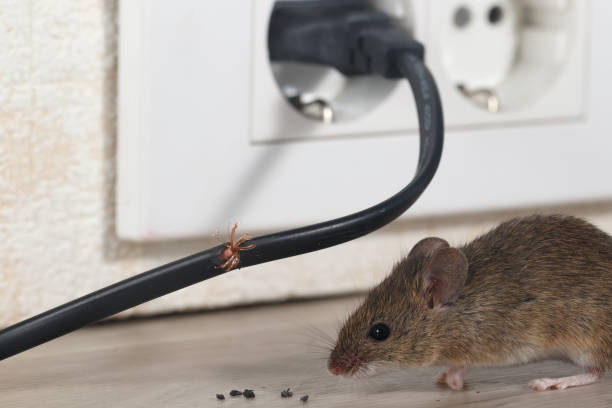
Pest control refers to the process of managing, reducing, or eliminating unwanted pests from homes, businesses, or other environments. These pests may include insects like ants and cockroaches, rodents like rats and mice, or even invasive species such as termites. Effective pest control methods are essential for safeguarding your living spaces from health risks, structural damage, and the psychological stress that often accompanies infestations.
Understanding the Need for Pest Control
- Health Protection:
Many pests are carriers of diseases. For example: - Rodents can transmit hantavirus and salmonella.
- Cockroaches carry allergens that may trigger asthma attacks, especially in children.
- Mosquitoes spread diseases such as dengue fever and malaria.
- Preventing Structural Damage:
Certain pests cause extensive damage to your property: - Termites eat through wood structures, which can weaken walls, floors, and ceilings.
- Carpenter ants excavate wood to build nests within walls.
- Rodents gnaw on wiring, increasing the risk of electrical fires.
- Food Safety:
Pests like rodents contaminate food supplies by chewing through packaging or leaving droppings behind in storage areas. - Peace of Mind:
An infestation can cause stress or anxiety due to fear of disease transmission or damage to personal property.
Types of Pest Control Methods
- Chemical Treatments: Pesticides are applied in targeted areas to eliminate infestations effectively while minimizing risk to humans.
- Biological Control: This method involves introducing natural predators like parasitoid wasps to control specific pests (e.g., aphids).
- Mechanical Methods: Tools like traps and barriers physically capture or deter pests without the use of chemicals.
- Integrated Pest Management (IPM): A combination approach that focuses on prevention first while minimizing environmental impact through sustainable practices.
Why Regular Pest Control Services Are Crucial
| Reasons for Regular Services | Benefits |
| Early Detection | Identifies potential infestations before they grow large enough to cause harm |
| Preventative Maintenance | Reduces long-term costs associated with severe infestations |
| Eco-Friendly Solutions | Encourages sustainable practices that reduce environmental impact |
DIY vs Professional Assistance
- DIY options may only address surface-level issues without targeting nesting areas.
- Professionals have access to advanced tools and techniques not available in stores.
- Expert exterminators provide tailored advice on sealing entry points or modifying environments so they’re less attractive to pests.
Investing in professional services ensures a safer home environment while protecting your family’s health and preserving the value of your property over time.
Effective Solutions for Common Household Pests from a Pest Control Company in Miami Gardens FL
Effectively managing household pests is critical for maintaining a healthy and safe living environment. From insects to rodents, these unwelcome intruders can cause structural damage, spread diseases, and disrupt daily life. Below is an overview of common household pests and how professional exterminators address them.
1. Ants
Ant infestations are a frequent issue in many households. These pests are drawn to food sources and can quickly invade kitchens, pantries, or other areas.
How professionals handle ants: – Inspection: Technicians identify the type of ant (e.g., carpenter ants or sugar ants) and locate entry points. – Targeted Treatment: They apply bait systems or non-repellent insecticides that eliminate the colony at its source. – Prevention Strategies: Sealing cracks, removing food crumbs, and addressing moisture issues are often recommended.
2. Cockroaches
Cockroaches are resilient pests that thrive in warm, damp environments such as bathrooms and kitchens. They pose serious health risks by contaminating surfaces with bacteria.
How professionals handle cockroaches: – Evaluation: Identifying species like German cockroaches or American cockroaches helps determine the best treatment method. – Chemical Solutions: Gel baits, residual sprays, or dust formulations are applied strategically to hidden areas they frequent. – Sanitation Support: Experts provide tips on maintaining hygiene to reduce infestations over time.
3. Rodents (Rats & Mice)
Rodents not only damage property by chewing wires or wood but also spread diseases like Hantavirus through their droppings.
How professionals handle rodents: | Steps | Description | |——————-|——————————————————-| | Assessment | Technicians inspect for nests, droppings, or gnaw marks. | | Trap Placement| Snap traps or live traps are used in high activity areas. | | Exclusion Work| Sealing gaps around doors, windows, and pipes prevents re-entry.|
4. Termites
Known as “silent destroyers,” termites compromise the structural integrity of homes by feeding on wood.
How professionals handle termites: – Detection Tools: Infrared cameras or termite-sniffing dogs may be used to detect infestations. – Treatment Options: – Liquid termiticides create barriers around a home’s foundation. – Baiting systems attract termites and spread slow-acting toxins within colonies. – Wood Treatment Services: Preventative treatments protect wooden structures from future attacks.
5. Bed Bugs
Bed bugs hide within mattresses, furniture crevices, or baseboards and feed on human blood during the night.
How professionals handle bed bugs: 1. Thorough inspection using specialized tools like bed bug detection kits. 2. Heat treatments that kill all life stages (eggs to adults) without using harmful chemicals. 3. Application of insecticide sprays in hard-to-reach hiding spots for persistent cases.
Why Professional Help Matters
While DIY methods may provide temporary relief from pests, they often fail to address infestations at their root causes effectively. Professional exterminators utilize advanced tools and techniques tailored to specific pest issues while ensuring safety for humans and pets alike.
By understanding the unique strategies specialists use for each pest type, homeowners can better appreciate the value of hiring a professional pest control service when facing an infestation problem.
Effective Ways an Exterminator Miami Gardens FL Can Handle Common Household Pests
Dealing with pests in your home can be both frustrating and challenging. Common household pests not only create discomfort but also pose health risks and cause structural damage. Understanding the types of pests that frequent homes and how professional exterminators address them can help homeowners take appropriate action.
Types of Common Household Pests
- Characteristics: Rodents are known for gnawing on wires, furniture, and insulation. They also contaminate food sources with droppings.
- Health Risks: Spread diseases such as salmonella, hantavirus, and leptospirosis.
- Characteristics: Thrive in warm, dark areas like kitchens or bathrooms. They multiply rapidly.
- Health Risks: Trigger allergies, asthma attacks, and spread bacteria like E. coli or Salmonella.
- Characteristics: Known for forming trails to food sources, especially sugary items.
- Health Risks: Some species like carpenter ants can cause structural damage over time.
- Characteristics: Silent destroyers that feed on wood structures inside homes.
- Health Risks: No direct health impact but significant property damage risks.
- Characteristics: Small, blood-feeding insects commonly found in mattresses and furniture.
- Health Risks: Their bites cause itchy welts; infestations disrupt sleep patterns.
- While many spiders are harmless, certain species do carry venom which makes them dangerous if disturbed.
- Known for spreading diseases such as malaria, dengue fever, or West Nile virus through their bites.
How Professional Exterminators Address These Pests
Professional pest control services rely on specialized techniques to effectively manage infestations while minimizing harm to humans and pets.
- Thorough Inspection: Professionals begin by conducting a detailed inspection to identify the type of pest infestation and assess its severity.
- Customized Treatment Plans: Each pest requires a unique approach: | Pest Type | Treatment Methodology | |—————|————————————————| | Rodents | Use of traps, bait stations; sealing entry points | | Cockroaches | Application of gel baits; use of insecticides | | Ants | Bait treatments near trails; sealing cracks | | Termites | Soil treatment barriers; fumigation | | Bed Bugs | Heat treatments; targeted pesticide application | | Spiders | Removal webs/nests; spraying insecticidal dusts |
- Environmentally-Friendly Solutions: Many exterminators now emphasize eco-friendly methods such as non-toxic sprays or humane traps.
- Ongoing Monitoring & Prevention: Exterminators often schedule follow-up visits to ensure long-term effectiveness by monitoring treated areas or applying preventative measures like sealing cracks and entry points around doors/windows.
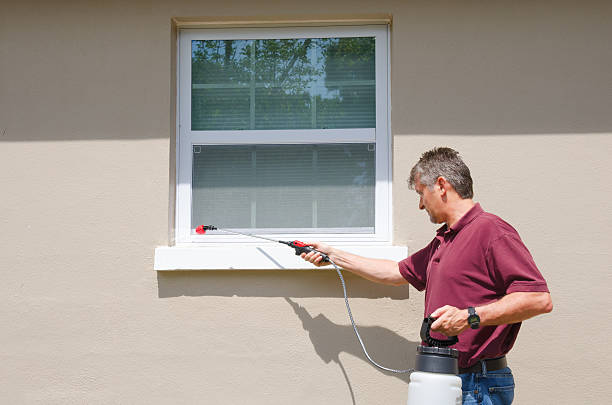
Benefits of Hiring Professionals Over DIY Methods
- Access to advanced tools/materials unavailable in retail stores.
- Expertise in identifying pest hiding spots that homeowners might overlook.
- Long-lasting solutions compared to temporary results from over-the-counter products.
- Reduced risk—experts handle dangerous chemicals safely while adhering strictly to regulations.
By understanding how professional exterminators tackle common household pests effectively using tailored strategies backed by expertise ensures safer environments at home without unnecessary risks associated with amateur attempts lacking depth-focused mitigation plans
Signs You Need Miami Gardens Pest Removal Services Immediately
Pests can be an invisible threat to your home, slowly causing damage or creating health risks before their presence becomes apparent. Recognizing the signs early allows you to take timely action and protect your property and loved ones. Below are key indicators that professional pest control assistance may be necessary.
Visible Signs of Infestation
- Droppings: Small, dark droppings in areas like kitchens, basements, or attics often signal rodents or cockroaches.
- Shed Skins or Body Parts: Many pests, such as snakes, insects, or spiders, leave behind skin sheds or body fragments.
- Structural Damage: Chewed wiring, holes in walls, and gnaw marks on furniture can indicate rodents like mice or rats.
- Mud Tubes: Termites often create mud tubes along walls and foundations as they travel between their nest and food sources.
Unexplained Sounds or Smells
Pests often make themselves known through noise or odor.
- Noises at Night: Scratching sounds in walls, ceilings, or under floors could indicate rodents such as rats and mice.
- Foul Odors: A persistent musty smell might point to cockroach infestations. Dead pests in hidden areas can also emit unpleasant odors.
Health Concerns
- Allergic Reactions: Certain pests like bed bugs and dust mites may trigger skin irritations or allergic reactions.
- Respiratory Issues: Cockroach droppings and rodent dander can exacerbate asthma symptoms.
- Unexplained Bites: Waking up with small red bites on your skin might suggest bed bugs.
Increase in Pest Sightings
| Pest Type | Common Sighting Locations |
| Ants | Kitchen counters and cabinets |
| Cockroaches | Bathrooms and dark crevices |
| Rodents | Basements and attics |
| Termites | Near wooden structures |
If you’re witnessing regular appearances of these pests despite DIY efforts to address them, it’s time for professional intervention.
DIY Methods Aren’t Working
Sometimes homeowners try over-the-counter sprays or traps without success. If pests persist despite multiple attempts at removal using store-bought products, professionals have access to stronger tools and targeted techniques that can resolve the issue effectively.
The Importance of Professional Pest Control Service Miami Gardens FL
Hiring a professional pest control service ensures accurate identification of the problem and application of appropriate treatment methods. Many experts offer tailored solutions that take into account the type of pest involved as well as safety concerns for children, pets, and the environment. Early intervention by skilled exterminators not only eliminates active infestations but also prevents future occurrences by addressing root causes like gaps in seals or improper waste management.
With proactive action from licensed professionals when warning signs appear—whether through visible evidence, disrupted daily life from noises/smells/health impacts—you safeguard both your property’s integrity and your family’s well-being effectively.
The Ultimate Guide to Pest-Proofing Your Home with Expert Help
Pests can disrupt the comfort and safety of your home, but with proper pest-proofing strategies, you can create a space that stays pest-free all year. Whether you’re dealing with rodents, insects, or other unwanted critters, professional exterminators can play a vital role in safeguarding your property. This guide highlights essential pest-proofing tips and how expert help can ensure long-term results.
Why Pest-Proofing Matters
- Health Protection: Pests such as cockroaches and rodents carry harmful bacteria and allergens that can cause respiratory issues or trigger allergies.
- Property Damage Prevention: Termites, carpenter ants, and rodents often damage structural elements like wood and wiring.
- Cost Savings: Proactive pest-proofing eliminates the need for costly extermination services later down the line.
Key Pest-Proofing Strategies You Can Implement
Below are some fundamental steps to protect your home from pests. While some tasks are DIY-friendly, many require professional expertise for optimal results.
- Inspect areas around windows, doors, plumbing pipes, vents, and utility lines for any openings or cracks where pests may enter.
- Use caulk or weatherstripping to seal gaps smaller than 1/4 inch.
- Install door sweeps on exterior doors to eliminate access points for small insects.
- Store food in airtight containers made of glass or heavy-duty plastic.
- Clean up crumbs and spills immediately, especially in kitchens or dining areas.
- Regularly empty garbage cans with tight-fitting lids to avoid attracting pests.
- Fix leaky faucets or plumbing immediately to reduce excess moisture that attracts pests like cockroaches and silverfish.
- Ensure proper ventilation in humid areas such as bathrooms and basements by using dehumidifiers if necessary.
- Keep items off the floor in basements, attics, garages, or storage sheds where pests might hide.
- Dispose of unused cardboard boxes as they provide ideal nesting sites for insects like spiders.
- Trim trees and bushes away from your home’s exterior walls to prevent pests from gaining easy access indoors.
- Remove standing water sources (e.g., birdbaths) which attract mosquitoes.
- Keep firewood stored at least 20 feet away from your house to avoid termite infestations.
How Professionals Elevate Pest-Proofing
| Service Provided | Benefits |
| Comprehensive Inspections | Experts identify hidden entry points that aren’t easily visible. |
| Customized Treatment Plans | Solutions tailored based on the type of pest issue specific to your area/home conditions. |
| Safe Material Application | Use of eco-friendly repellents ensures safety for children & pets while being effective against pests. |
| Long-Term Monitoring | Exterminators offer routine check-ups to ensure sustained prevention. |
Final Thoughts on Professional Assistance
Professionally-guided pest-proofing combines your preventative efforts with specialized expertise for comprehensive protection against infestations. By addressing potential risks proactively rather than reactively responding once an infestation occurs, you establish peace of mind knowing that your home remains a safe haven free from harmful intruders year-round.
Whether you’re designing a new plan or reinforcing previous methods already implemented—collaborating with trained experts makes all the difference toward achieving lasting results efficiently yet sustainably without compromising health standards indoors/outdoors alike!
Why Sustainable and Safe Pest Control Methods Are the Future of Extermination
In today’s world, the demand for sustainable and eco-friendly solutions has grown significantly, including in pest control. Traditional methods often rely on harsh chemicals that can harm not just pests but also humans, pets, and the environment. Sustainable and safe pest control methods present a better alternative by offering effective results while promoting environmental responsibility.
The Shift Toward Sustainable Practices
The shift toward sustainable pest control is driven by several factors:
– Environmental Awareness: People are becoming increasingly conscious of how their actions impact the planet. Using eco-friendly extermination techniques helps minimize ecological damage.
– Health Concerns: Chemical-based pesticides can lead to respiratory issues, skin irritation, or long-term health risks. Safer alternatives protect individuals from these hazards.
– Regulatory Pressures: Governments worldwide are implementing stricter regulations on pesticide use, encouraging businesses to adopt greener practices.

Features of Sustainable Pest Control Methods
- Integrated Pest Management (IPM)
IPM focuses on a balanced approach that combines prevention, monitoring, and control strategies to manage pests with minimal impact on ecosystems. This includes: - Sealing entry points to prevent infestations
- Using pheromone traps for monitoring pest activity
- Introducing natural predators like ladybugs to control population growth
- Use of Organic Pesticides
These products are derived from natural materials such as botanical oils or minerals and break down quickly in the environment without leaving harmful residues. Examples include neem oil for insect control or diatomaceous earth for eliminating bed bugs and ants. - Non-Chemical Solutions
Non-toxic options like heat treatments or freezing methods effectively target pests without endangering non-target organisms. - Education-Based Strategies
Empowering property owners with knowledge about preventative measures reduces reliance on reactive extermination services.
Benefits of Safe & Eco-Friendly Practices
| Benefit | Description |
| Healthier Living Spaces | Reduces exposure to toxic chemicals for families and pets |
| Long-Term Effectiveness | Focuses on addressing root causes rather than temporary fixes |
| Environmental Protection | Safeguards beneficial insects like bees and minimizes water contamination |
| Cost-Efficiency | Lowered need for repeated treatments due to durable prevention techniques |
Why It Matters for the Future
As global challenges like climate change persist, adopting environmentally responsible solutions becomes critical across industries—including extermination services. Sustainable pest management ensures we protect biodiversity while promoting healthier communities.
By choosing green alternatives now, you pave the way toward a safer future where humans coexist with nature rather than harming it through short-sighted practices aimed solely at controlling pests quickly without regard for consequences.
Have a Persistent Pest Problem? Here’s Why You Should Contact a Professional Exterminator
Expertise and Knowledge
Professional exterminators are trained specialists who understand the behavior, biology, and life cycles of pests. This enables them to identify the root cause of infestations and address them effectively. Here’s how their expertise benefits you:
– Precise Identification: Accurately identifying the type of pest is critical for implementing targeted solutions instead of generic treatments.
– Customized Treatment Plans: Professionals tailor treatment strategies based on your unique situation, ensuring maximum effectiveness while minimizing risks.
– Ongoing Monitoring: They monitor pest activity over time to ensure the treatment has worked completely.
Access to Advanced Tools and Techniques
Pests often hide in areas that are difficult or impossible for homeowners to access. Professionals use advanced equipment and techniques that make their services more reliable:
– Specialized tools such as inspection cameras or thermal imaging devices help locate hidden infestations.
– Commercial-grade pesticides are more effective than over-the-counter options while being safe when applied by licensed experts. – Integrated Pest Management (IPM) techniques combine prevention, education, monitoring, and safe treatments for sustainable results.
| DIY Solutions | Professional Extermination Services |
| Limited effectiveness | Long-lasting impact |
| Generic products | Targeted treatments |
| Risk of incomplete eradication | Comprehensive pest elimination |
Safety Comes First
Dealing with pests often involves handling chemicals or traps that may pose risks if not used correctly. Professionals prioritize safety by employing eco-friendly methods and ensuring minimal disruption:
– Safe application of pesticides reduces potential harm to humans and pets.
– Use of non-toxic alternatives or humane traps where applicable.
– Adherence to local regulations regarding chemical usage.
Cost Savings in the Long Run
While hiring an exterminator might seem expensive initially, it can save you money over time by preventing property damage or recurring infestations:
– Untreated termites can cause structural damage costing thousands in repairs. – Rodents chew through wires or insulation leading to expensive electrical fixes. – Recurring insect problems add up if DIY measures fail repeatedly.
Investing in professional help ensures long-term protection against these costs.
Peace of Mind Through Guaranteed Results
Many exterminators offer warranties or guarantees for their services, providing reassurance that your pest problem will be resolved effectively:
– If pests return within a specified period after treatment, follow-up services are typically provided at no extra charge. – Regular maintenance plans ensure year-round protection against future infestations.
By entrusting a reputable professional extermination service provider with your persistent pest problems, you gain peace of mind knowing that your home is safeguarded against unwanted intruders efficiently and responsibly.
Have a Persistent Pest Problem? Here’s Why You Should Contact a Professional Exterminator
Dealing with a persistent pest problem can be frustrating and overwhelming. While DIY pest control methods may work for minor infestations, they often fall short in eliminating severe or recurring issues. A professional exterminator offers specialized expertise, tools, and techniques to address the root cause of the problem. Here’s why hiring an expert is the best solution for persistent pests.
Expertise and Knowledge
Professional exterminators are trained to identify various types of pests, their behavior, and their hiding spots. This allows them to implement targeted solutions that not only remove visible pests but also tackle larvae, eggs, and nests. Their knowledge ensures long-term results instead of temporary fixes.
Some advantages of their expertise include:
– Accurate Pest Identification: Misidentifying pests can lead to ineffective treatments. – Tailored Solutions: Professionals customize their approach based on the type of infestation. – Prevention Strategies: Experts recommend steps to prevent future infestations.
Advanced Tools and Techniques
DIY methods often rely on store-bought pesticides that may not penetrate deeply enough or target specific species effectively. Professional exterminators use state-of-the-art equipment and treatments that are more efficient and environmentally friendly.
Advanced techniques they might employ include:
– Heat treatments for bed bugs. – Baiting systems for termites. – Traps designed for rodents or larger pests. – Non-toxic sprays for sensitive areas like kitchens or pet zones.
| Tool/Technique | Purpose | Example Pests Addressed |
| Heat Treatment | Eliminates eggs/nymphs resistant to pesticides | Bed Bugs |
| Baiting Systems | Targets colonies at the source | Termites |
| Specialized Traps | Safely captures rodents without poison risks | Rats/Mice |
Protecting Your Health and Property
Pests can pose serious health risks through bites, contamination, or allergens they leave behind. Additionally, some pests like termites or carpenter ants can compromise the structural integrity of your home if left untreated.
Health-related hazards:
– Allergies triggered by droppings from cockroaches or rodents. – Diseases spread by mosquitoes (e.g., West Nile Virus) or rats (e.g., Hantavirus). – Food spoilage due to contamination by pantry pests such as beetles or moths.
Property damage concerns:
– Structural weakening caused by termites chewing wood or carpenter ants tunneling into walls. – Electrical fires sparked by rodents gnawing wires. – Damage to insulation materials from nesting insects.
Cost Efficiency Over Time
While hiring a professional exterminator might feel like a significant upfront cost, it can save you money in the long run. DIY attempts often require repeated purchases of traps, sprays, or other materials—without solving the core issue.
Benefits of professional services include:
1. Higher Success Rates: Reduces chances of recurrence.
2. Prevention Plans: Stops infestations before they start again.
3. Insurance Coverage: Many services offer warranties or guarantees for their work.
Persistent pest issues require a comprehensive approach that addresses current problems while preventing future ones—a challenge best handled by experienced professionals equipped with specialized tools and strategies.
- Essential Reasons to Choose Miami Gardens FL Pest Control for a Healthy Home
- Why Miami Gardens FL Pest Control Services Are Worth the Investment
- Understanding What a Pest Control Company Miami Gardens FL Uses to Keep Your Home Pest-Free
- Understanding Miami Gardens FL Pest Control and Its Importance for Your Home
- Effective Miami Gardens FL Pest Control Tips to Safeguard Your Family and Property
- Reliable Pest Control Company Miami Gardens FL Protecting Your Home and Health